LifeLink
A crisis-intervention app for Canada — surface the patterns that warn, and make help one tap away.
The brief
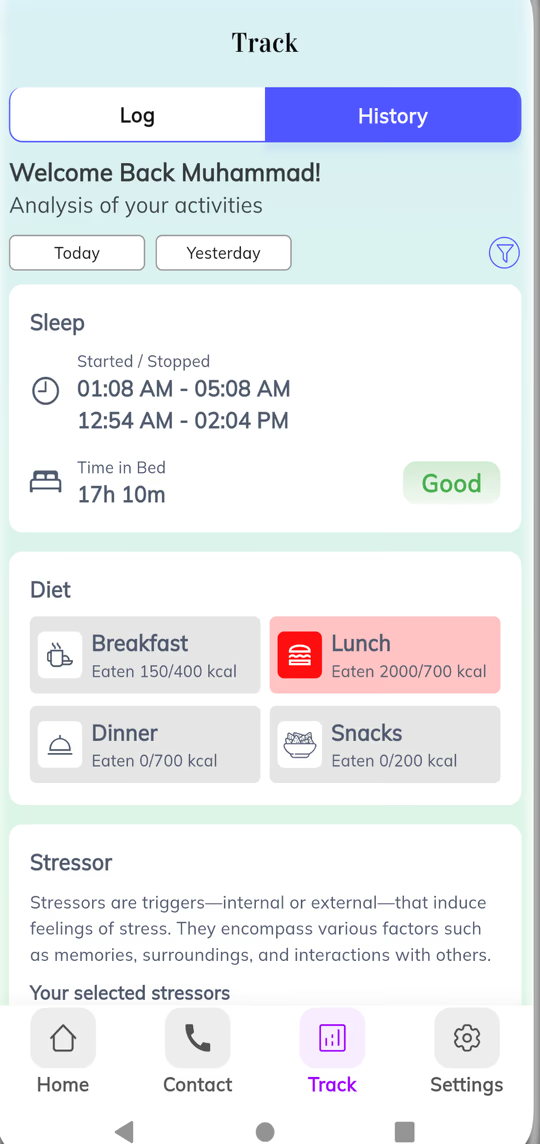
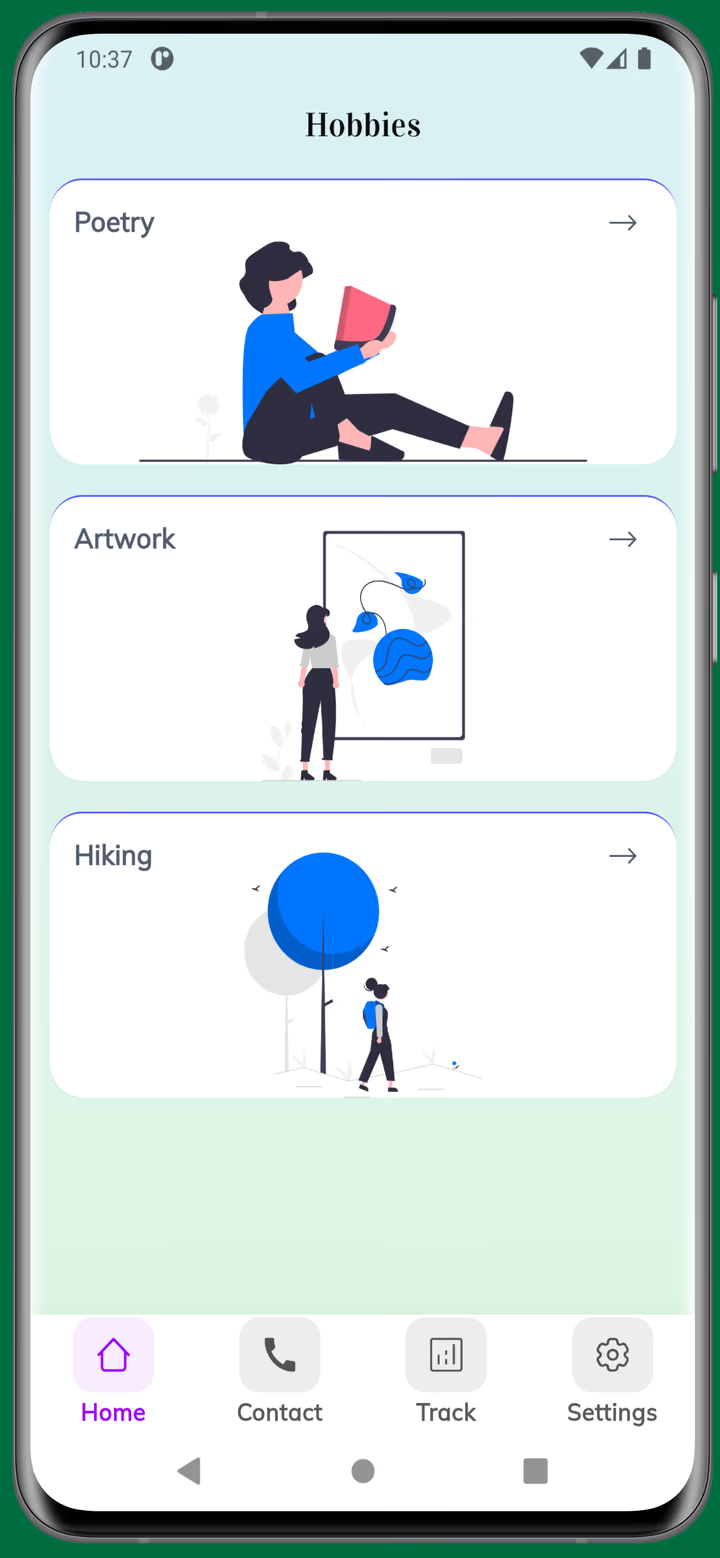
A Canadian psychologist came to me with a hard, specific goal: help people notice the early signs of a mental-health crisis — their own, or a loved one’s — before it deepens into suicidal thinking. Her insight from clinical work was that the warning signs usually show up in behaviour long before anyone says them out loud. Sleep slips. Routine frays. The journal goes quiet.
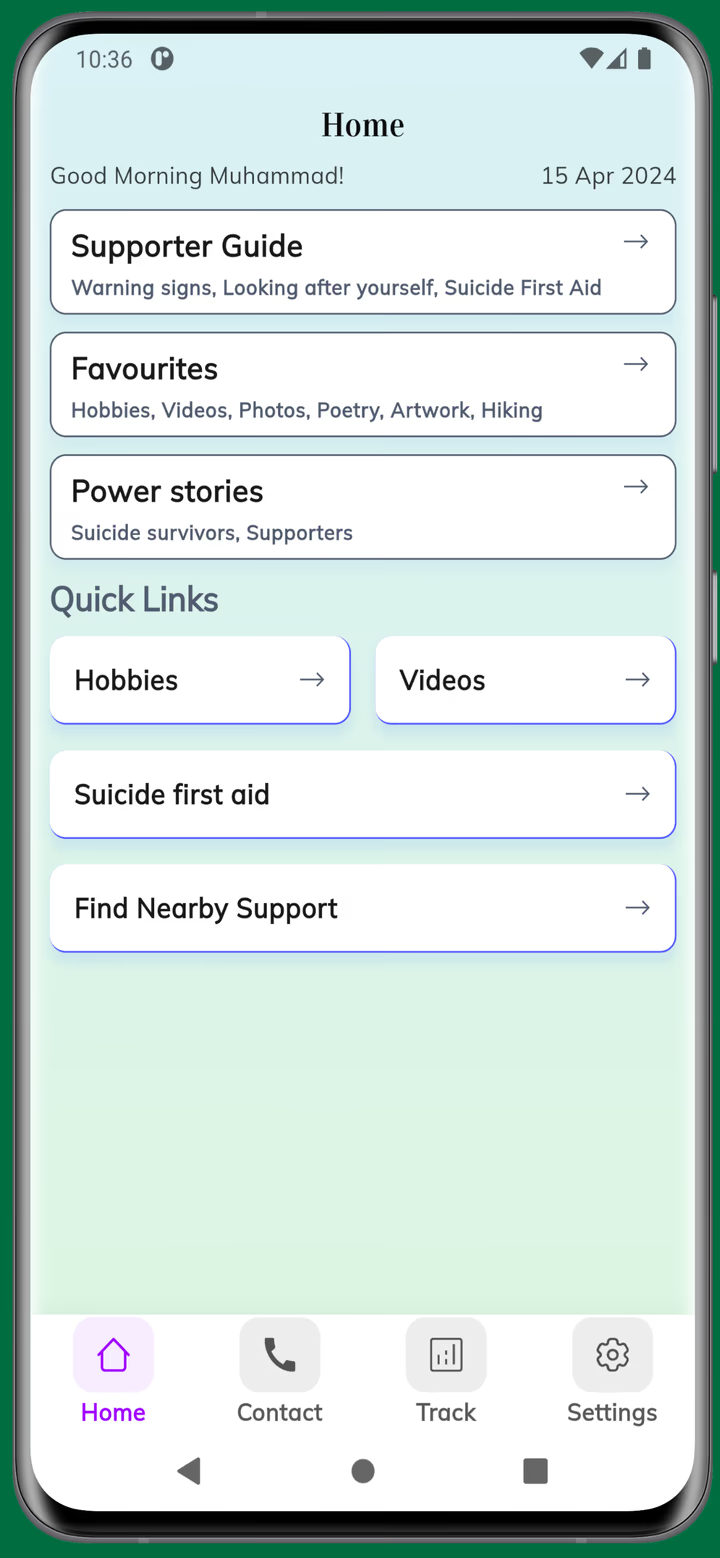
So the app isn’t a chatbot or a diagnosis. It’s two honest things: a quiet way to record how you actually spend your days, and a directory that puts a real human on the line the moment someone needs one.
Patterns, not self-report
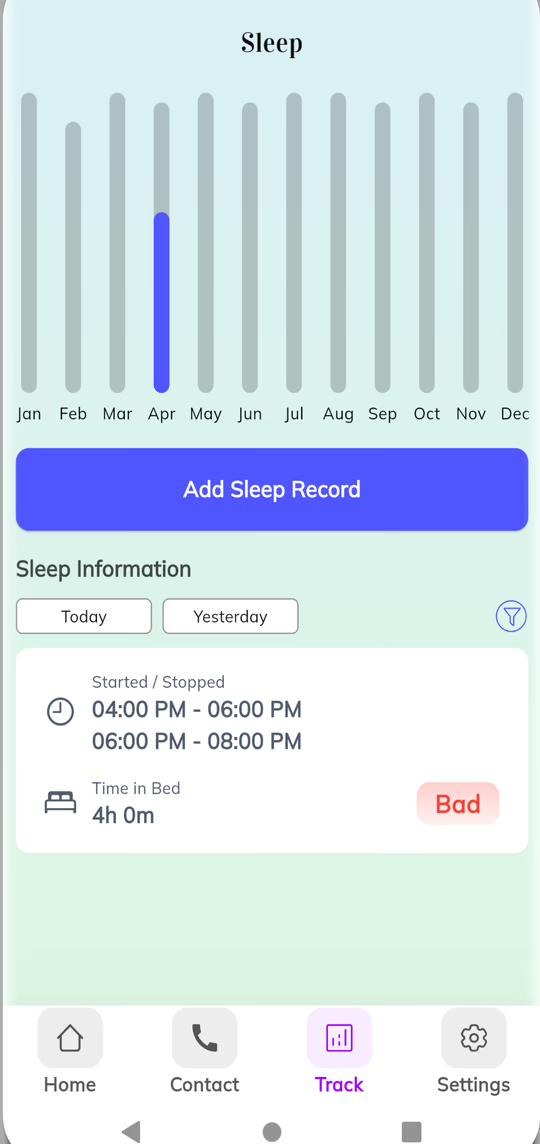
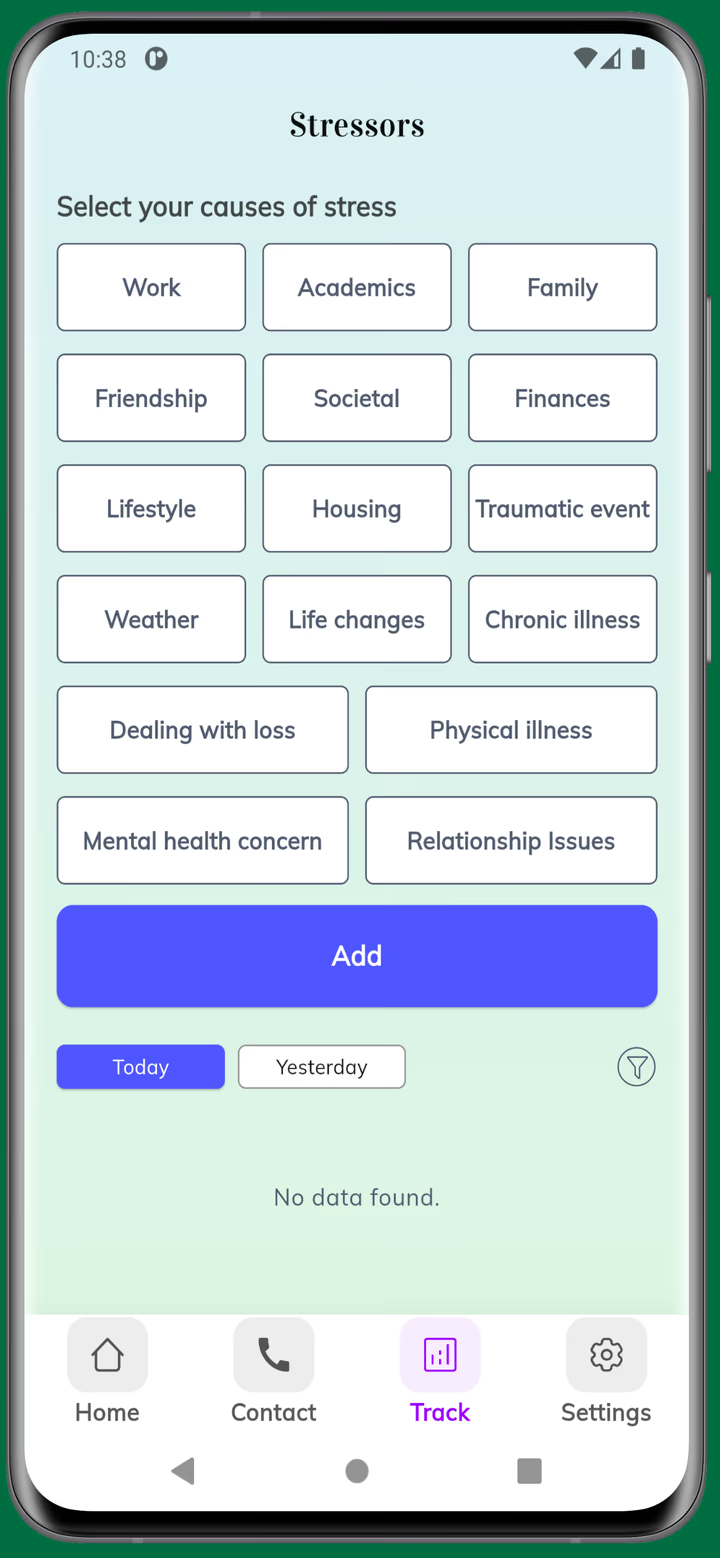
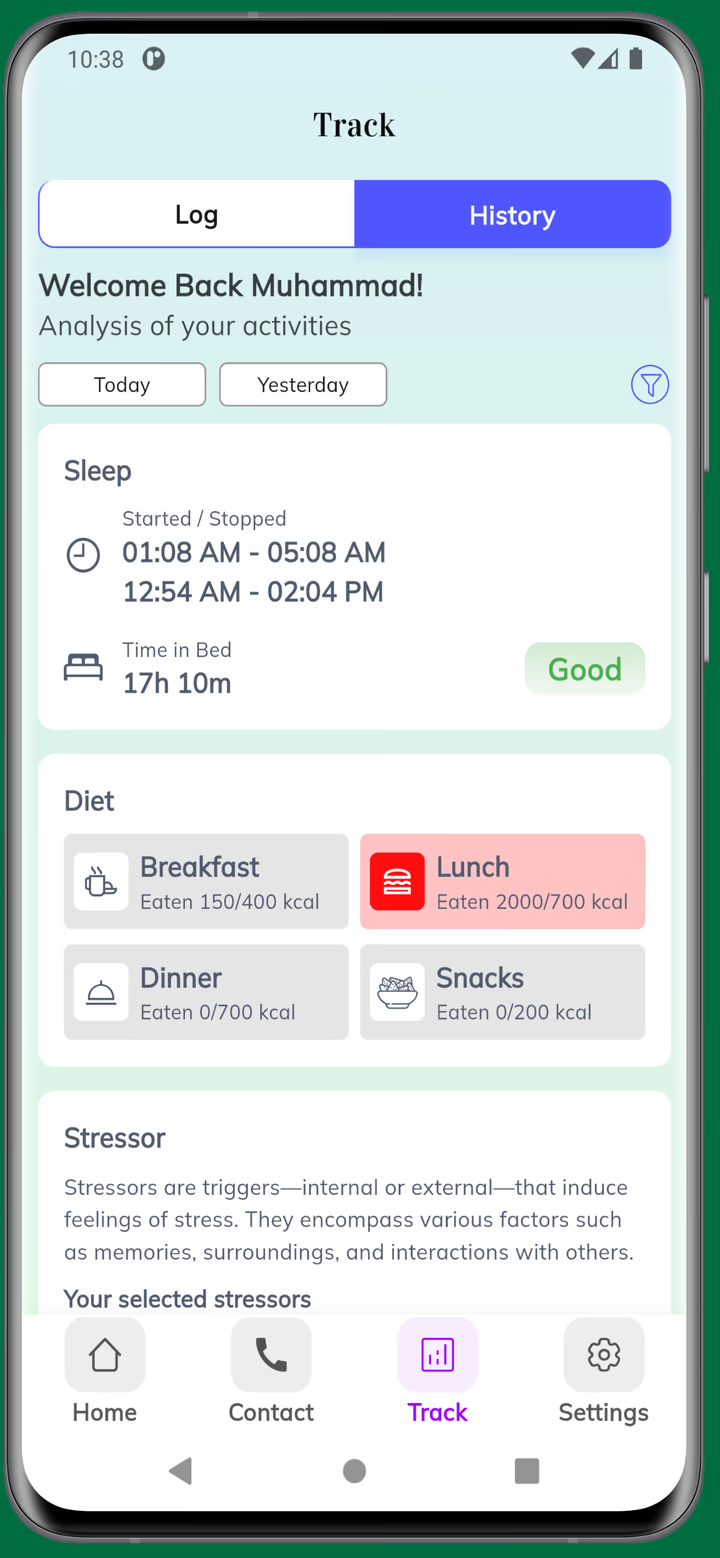
People are unreliable narrators of their own week. The app sidesteps that by logging the plain facts — five daily trackers: sleep, diet, movement, stressors, and a journal. Each writes to a per-user Firestore collection with an isSynced flag, and the year rolls up into fl_chart bar charts so a month of poor sleep next to rising stressors reads as a shape, not a feeling.
That monthly aggregation runs in a Dart isolate, off the UI thread — a small thing, but a crisis tool that janks while you scroll is a crisis tool people stop opening.
A directory you can trust at 2 a.m.
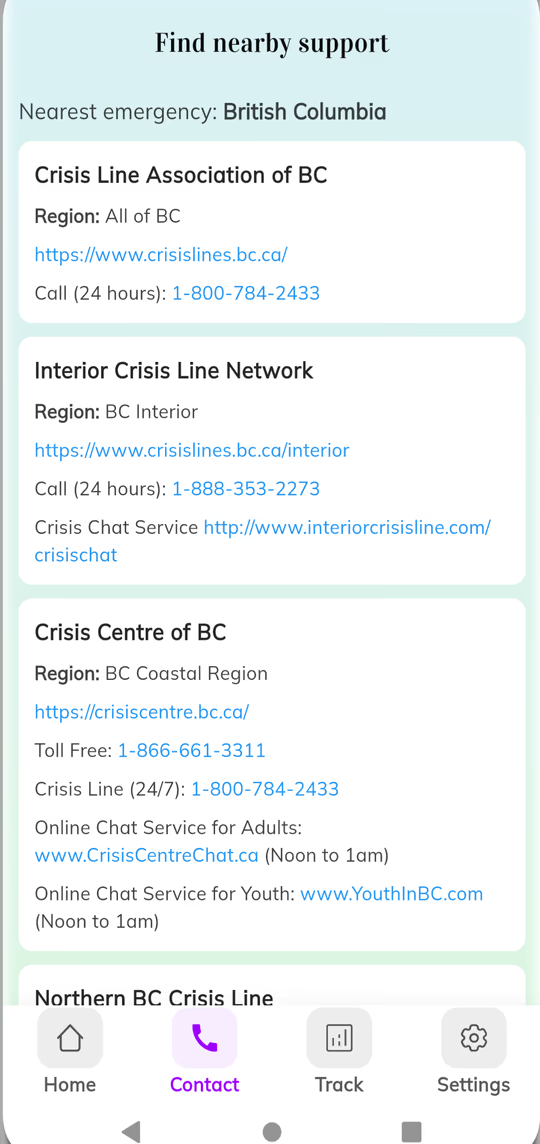
The crisis directory is the part that has to be perfect. It’s province-aware across all 13 provinces and territories, with 70+ verified lines — Crisis Line Association of BC 1-800-784-2433, Distress Centre Calgary, Hope for Wellness, regional text and chat services, 2SLGBTQIA+ and youth-specific lines. You pick your province and you get the numbers that actually serve your region, rendered as tappable cards.
There’s no AI between a person and that phone number. A wrong digit in a moment like this is not an acceptable failure mode, so the directory is curated and static, not generated.
Safe AI was the real engineering
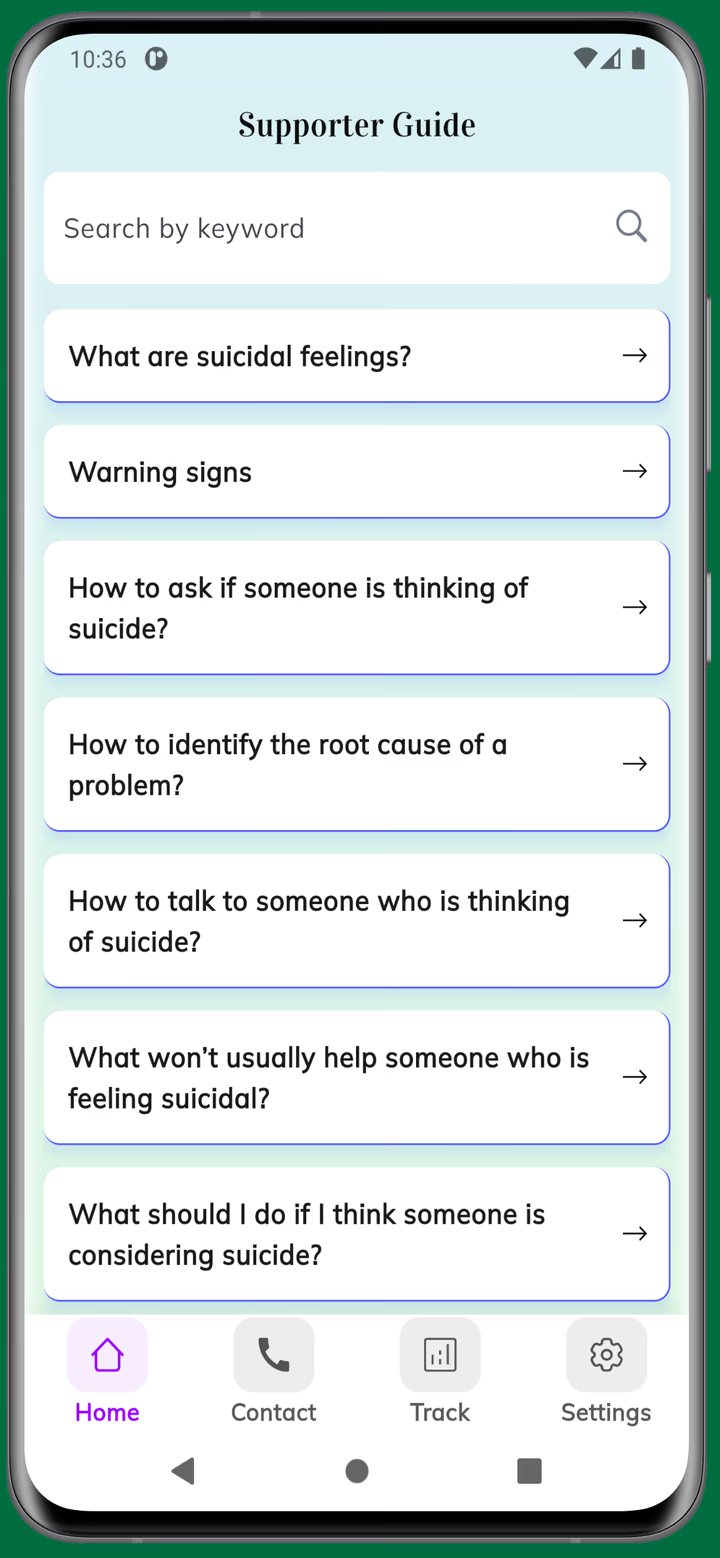
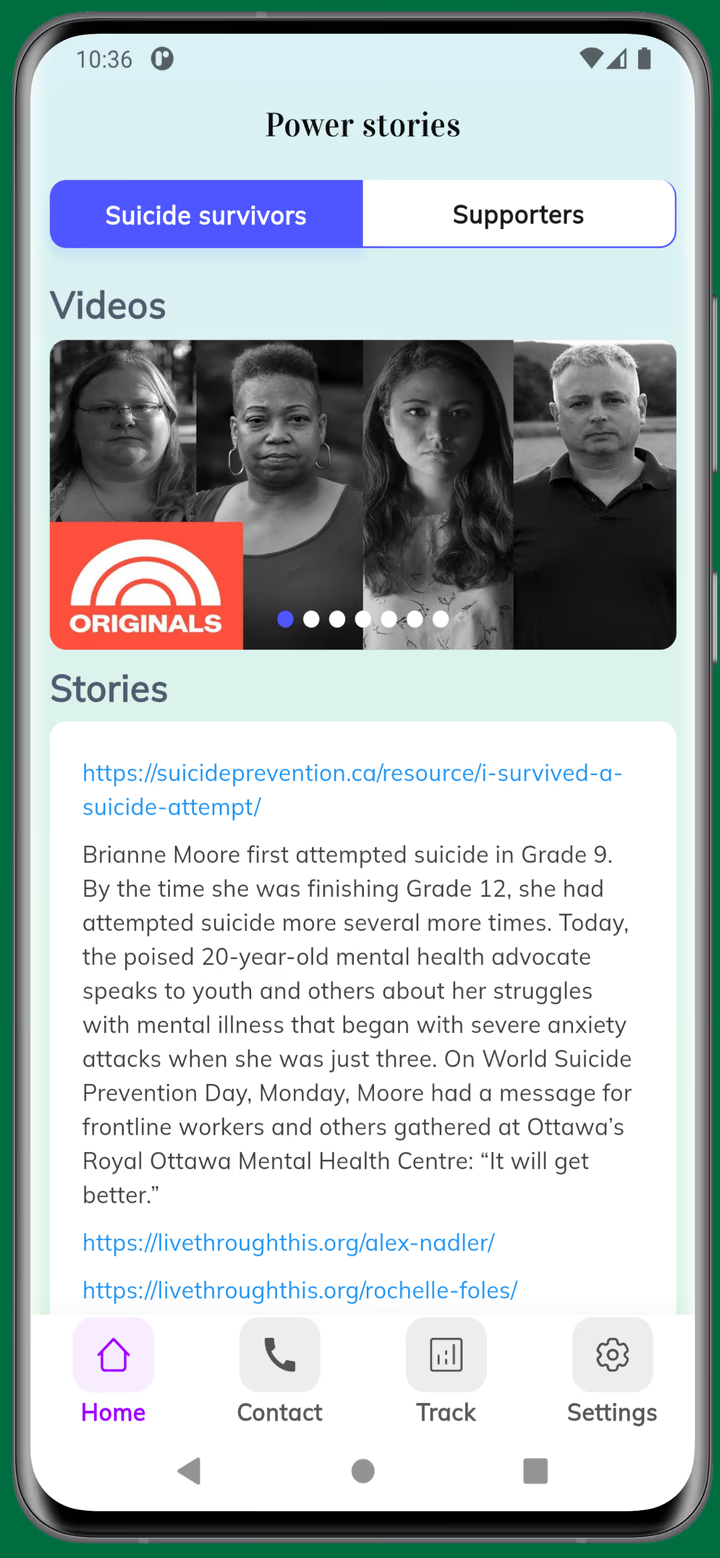
The hardest part wasn’t the trackers or the maps. It was the supportive content — short, AI-generated pieces meant to steady someone — built on Gemini (google_generative_ai, gemini-pro). In a suicide-prevention context, “usually fine” is not good enough. The model can never produce something bleak, dismissive, or harmful.
I treated the model as untrusted by default and put three guards in front of it:
- Steer the tone, don’t hope for it. The prompt seeds a hope-affirming example (Derek Mahon’s Everything Is Going to Be All Right) so the model anchors to that register instead of a cold-start guess.
- Fail closed. Every response is checked against
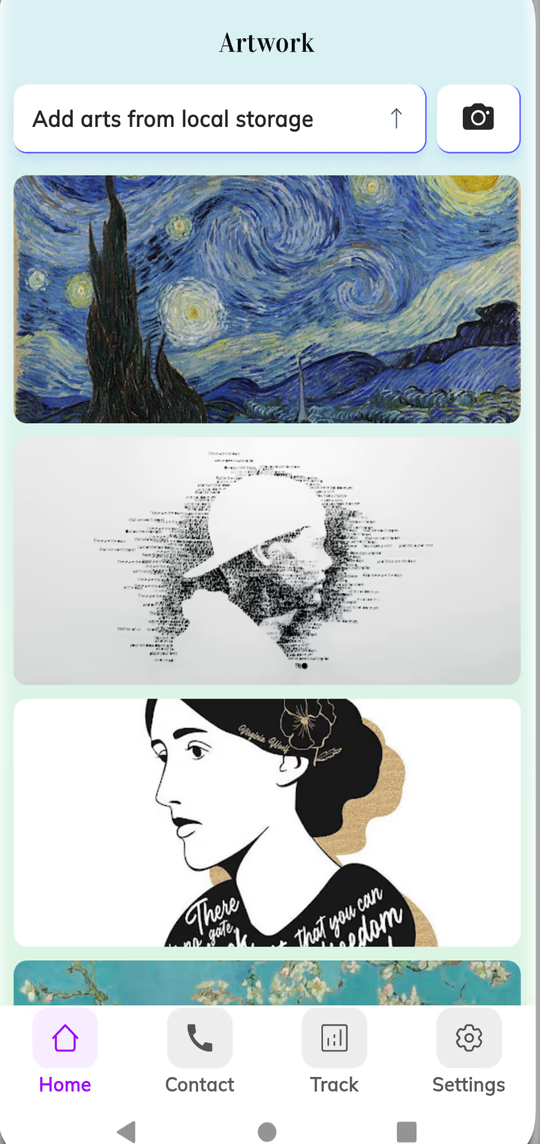
promptFeedback.blockReasonMessage, andGenerativeAIExceptionis caught explicitly. If the model is blocked or uncertain, the user sees a graceful fallback — never a half-formed or risky output. - Curated safety net. Hope-affirming pieces (including Dickinson’s Hope is the thing with feathers) ship pre-loaded, so there’s always something kind to show even with no network and no model.
The lesson that stuck: for AI in a sensitive domain, the prompt is the smallest part of the work. The validation around it is the product.
Built to keep working
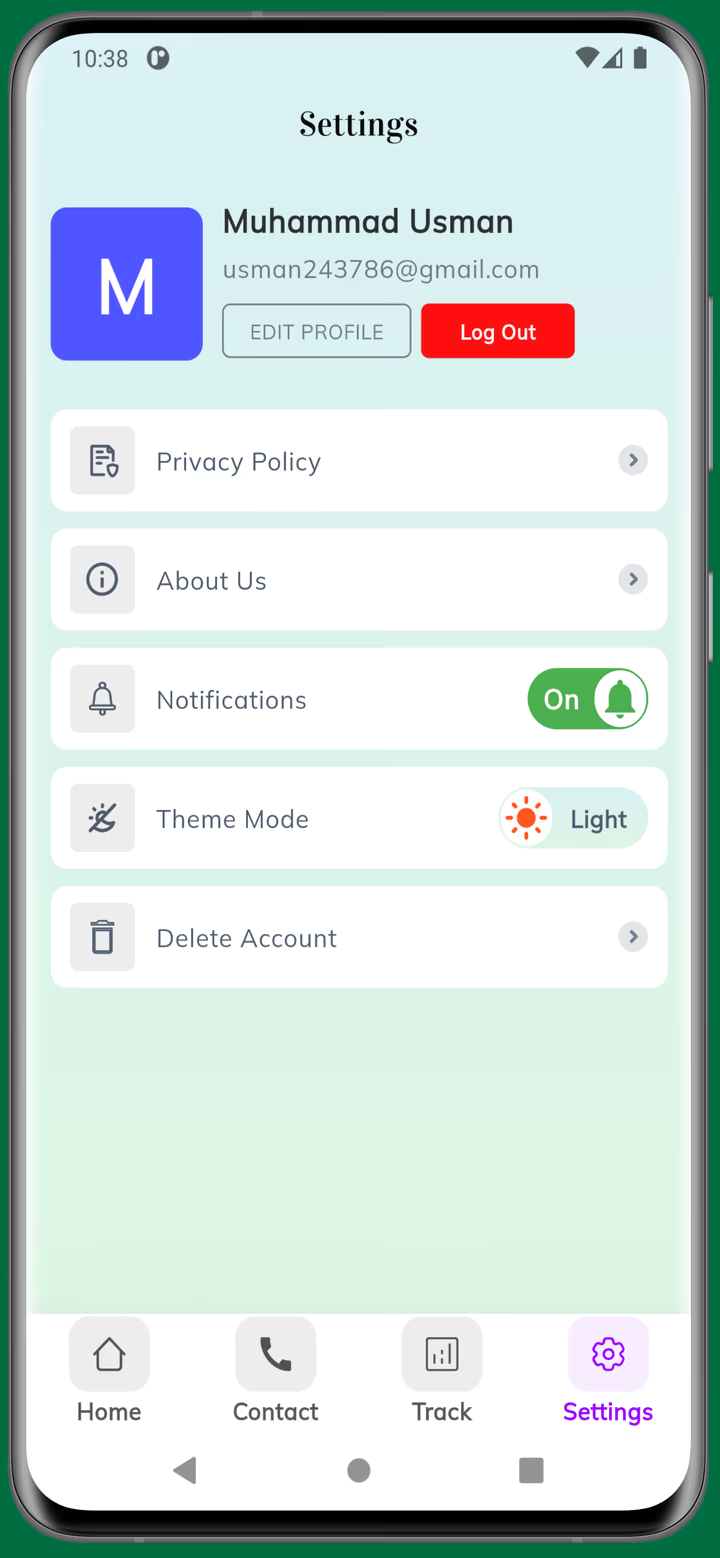
The whole app is flutter_bloc + hydrated_bloc, so state and tracked data persist locally and survive a dead connection — a support tool can’t assume Wi-Fi. Auth, sync, storage and crash reporting run on Firebase; go_router and get_it keep the feature domains cleanly separated.
Where it stands
I built and delivered LifeLink end-to-end; the client took it to the App Store and Play Store under their own branding, so I don’t track its day-to-day numbers. What I keep is the discipline it demanded: that in software meant to help people in their worst moments, “careful” isn’t a feature you add — it’s the spec.