iCare
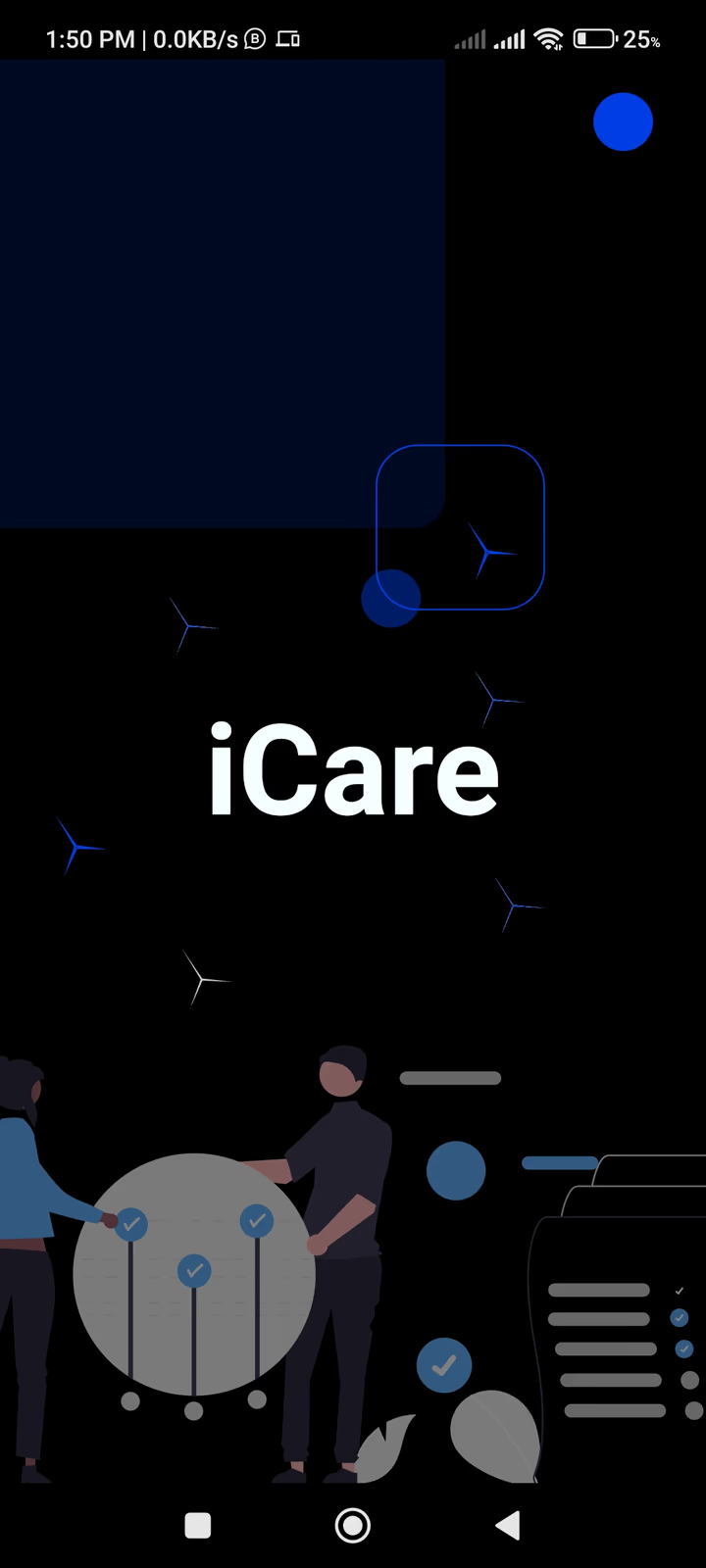
A private self-care suite for a Canadian psychologist's clients — meditation, mood and activity, designed so no one sees your inner state.
The brief
A Canadian psychologist wanted one app her clients could live in between sessions: somewhere to meditate, breathe, and quietly record how they actually spend their time and how they feel. The clinical value isn’t the meditation alone — it’s the trail. Over weeks, the logged activity and mood become something a client and a clinician can sit down and talk about, instead of relying on “how was your week?”
Privacy was the product, not a setting
For an app holding someone’s mental state, privacy can’t be a toggle buried in settings — it has to be the default the moment you open it. Two decisions set the tone:
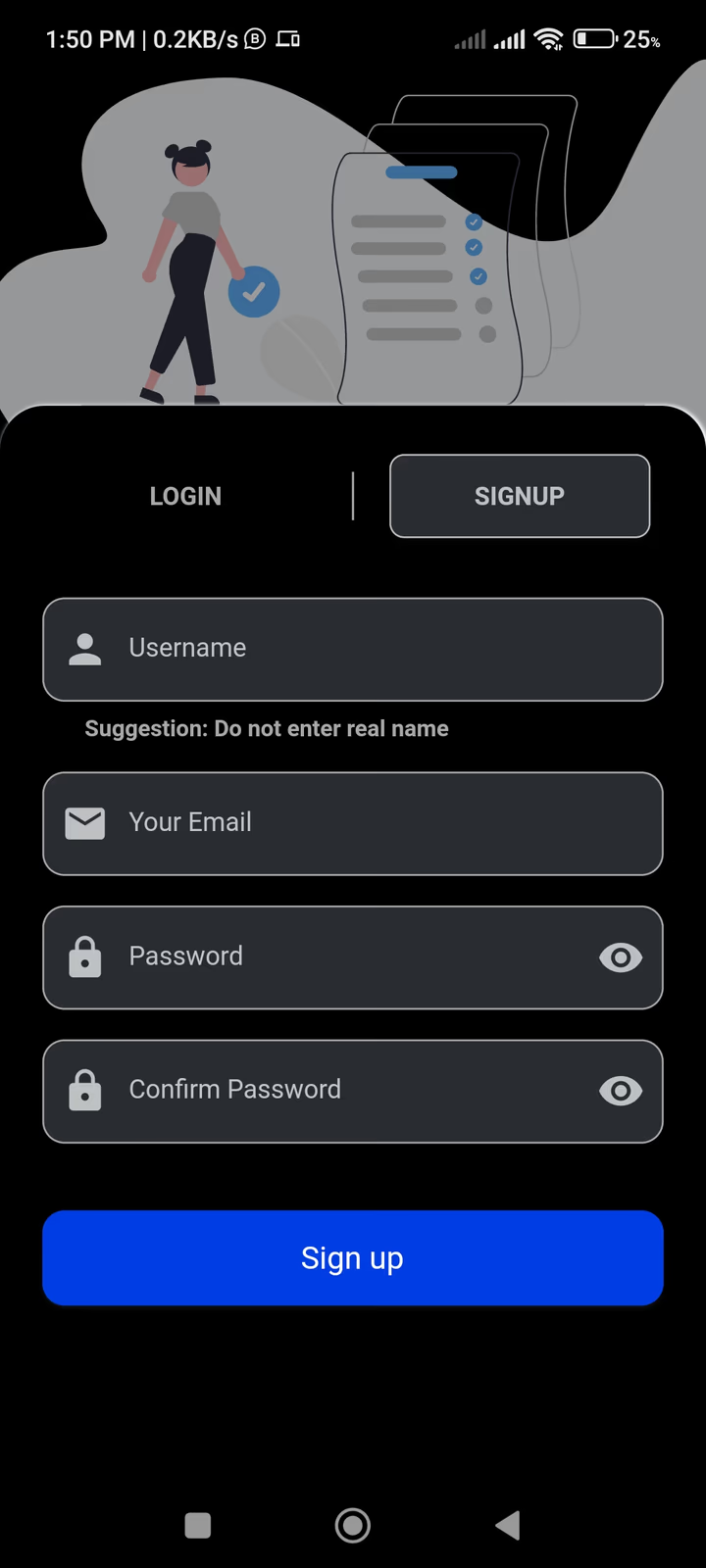
- No real name. Signup literally suggests against it: “Suggestion: Do not enter real name.” Your wellbeing data isn’t tied to your identity.
- A lock at the door. A
local_authbiometric gate runs at app open ('Scan your fingerprint (or Face) to authenticate', sticky auth on), so someone holding your unlocked phone still can’t see your diary or your moods.
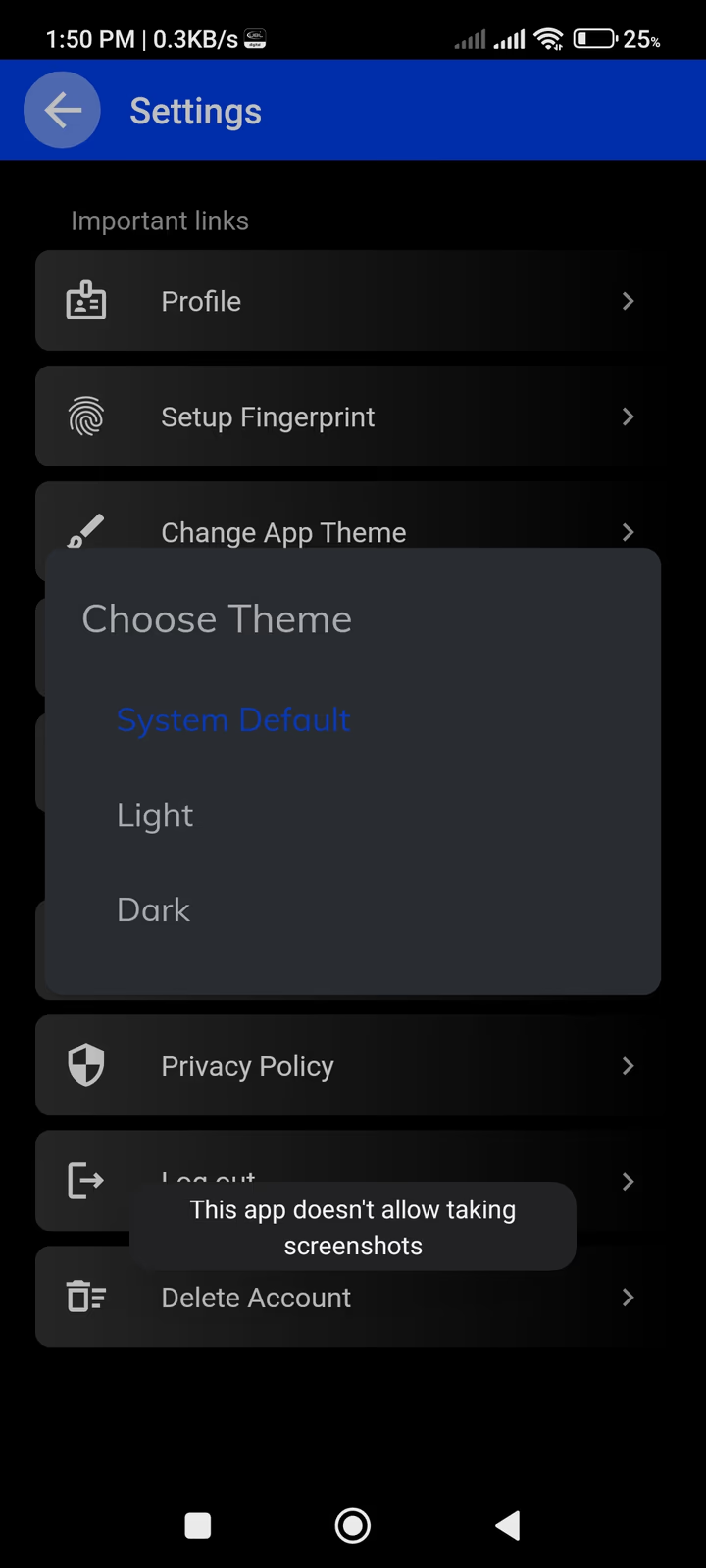
One honest note: I did not add screenshot-blocking (FLAG_SECURE) — so I won’t claim the app prevents screenshots. It doesn’t, and saying otherwise would be the opposite of the trust the whole thing is built on.
Thirteen tools, one calm app
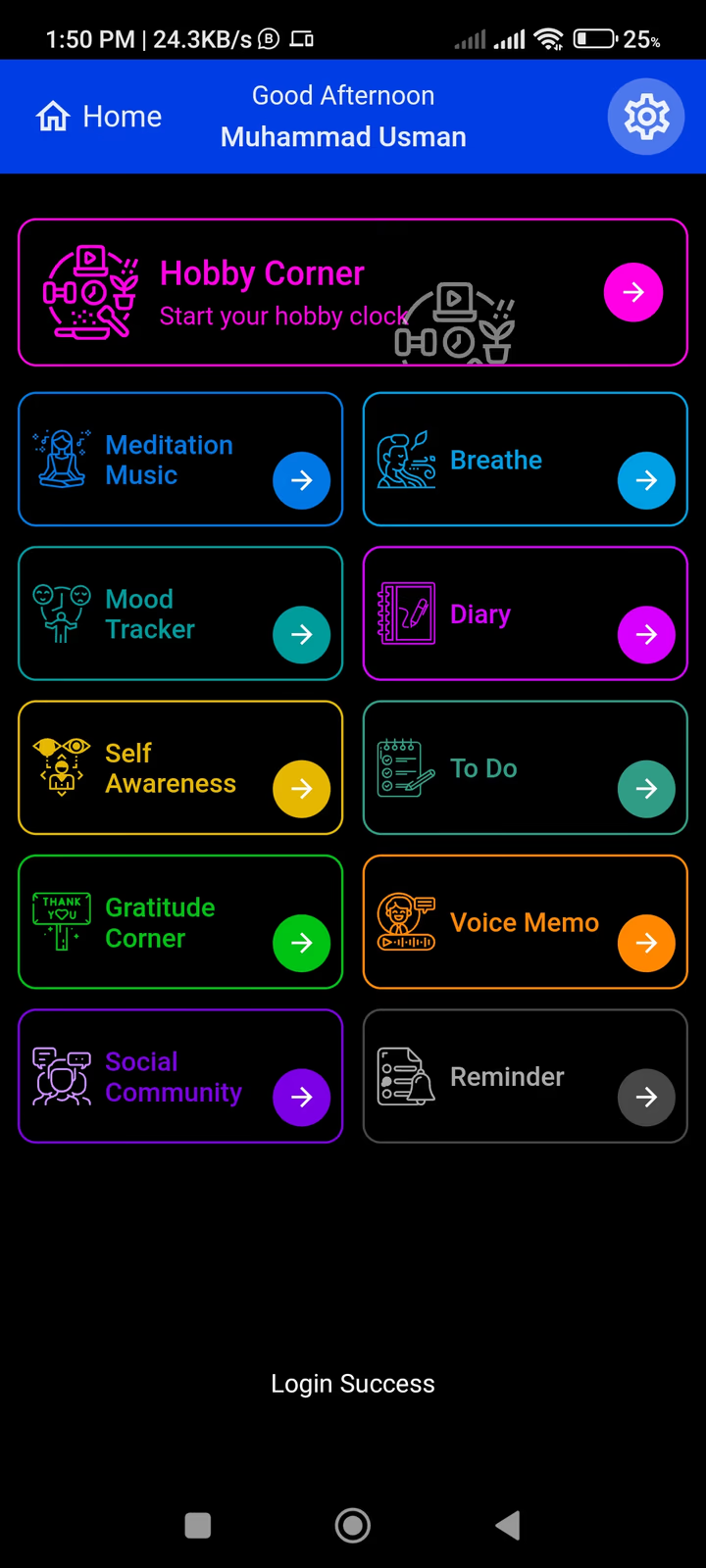
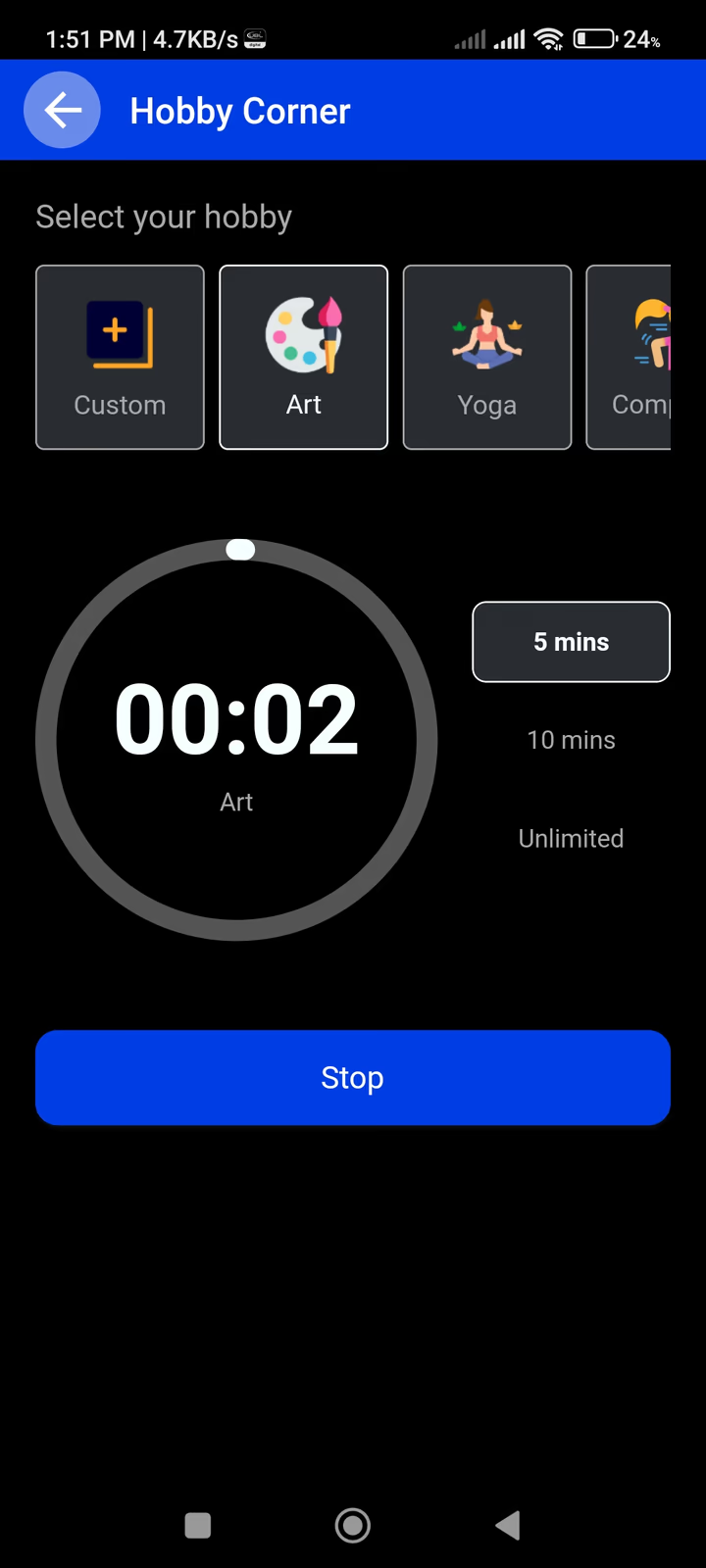
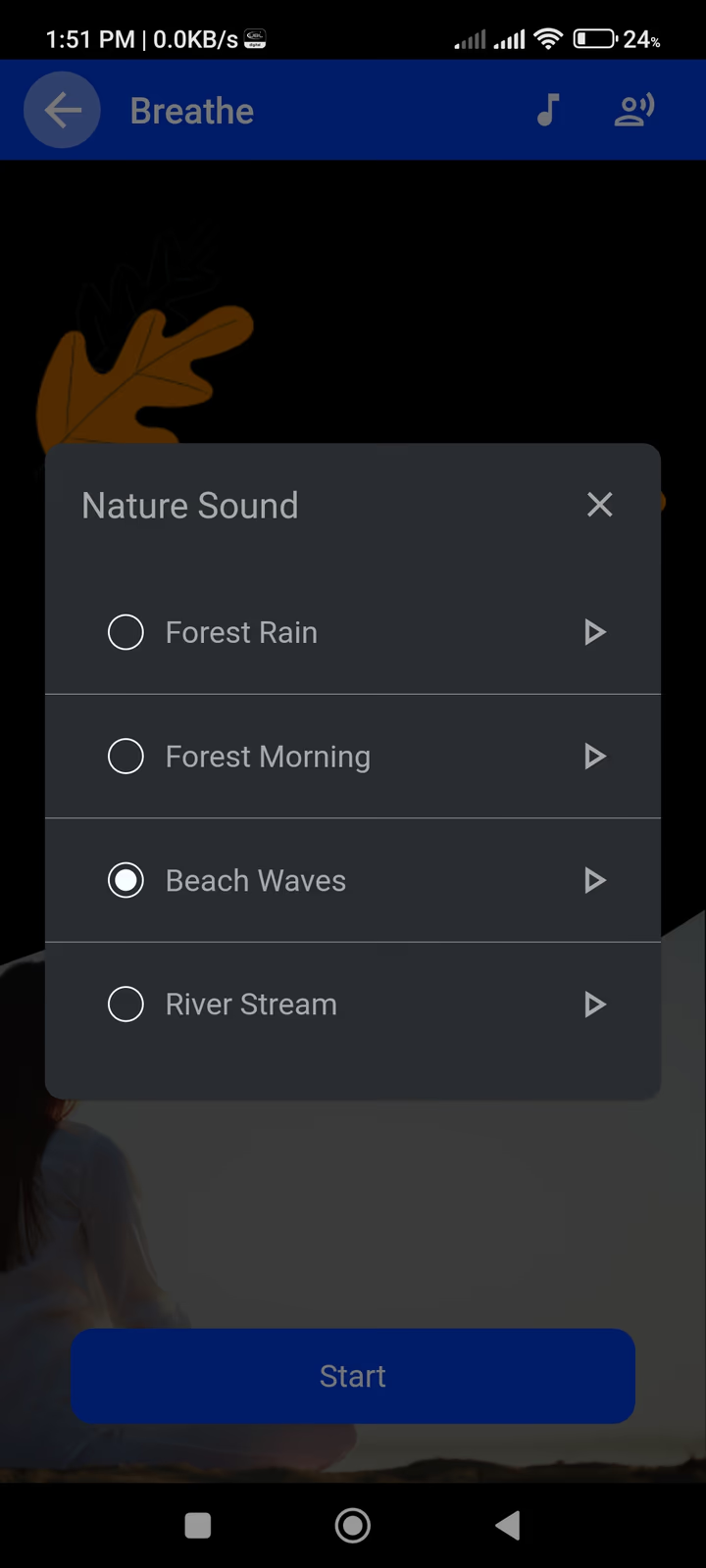
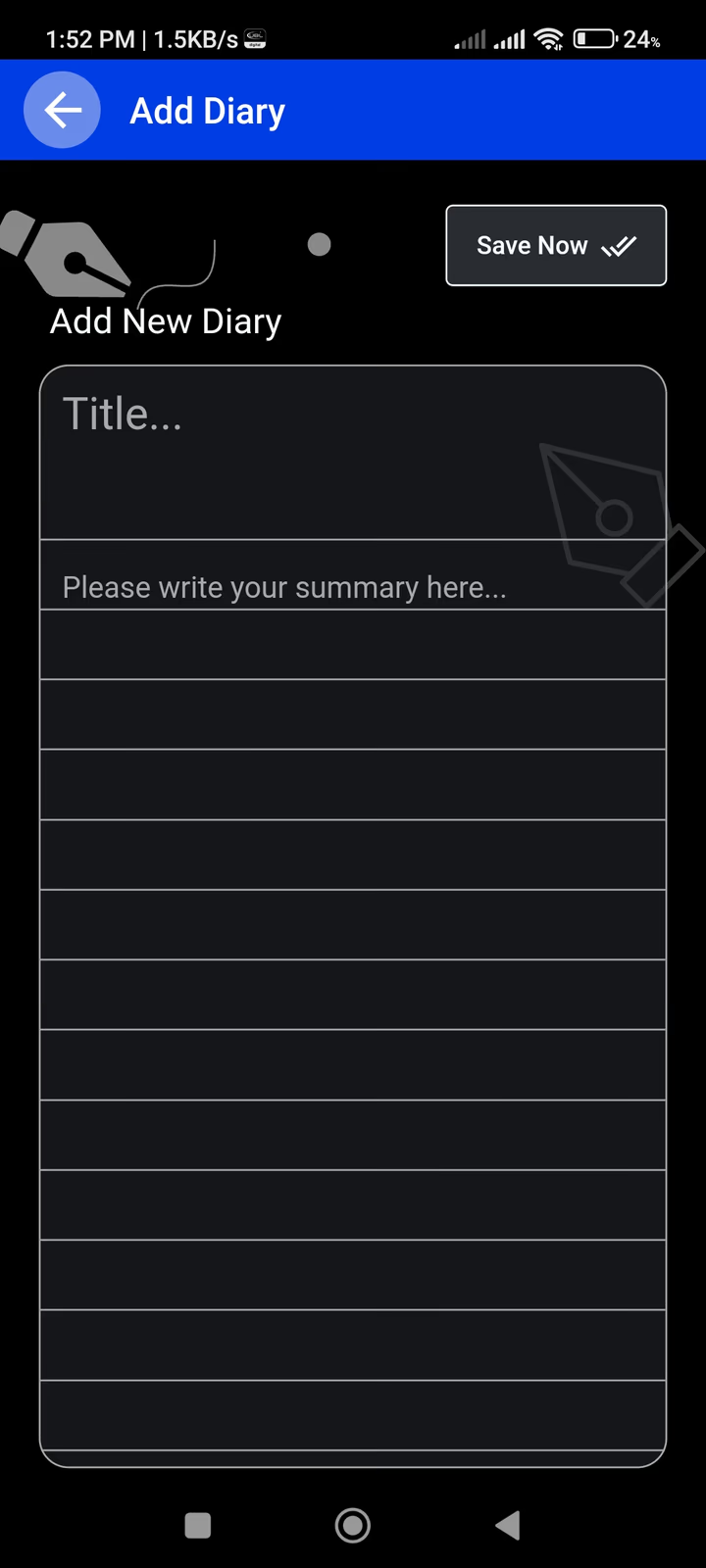
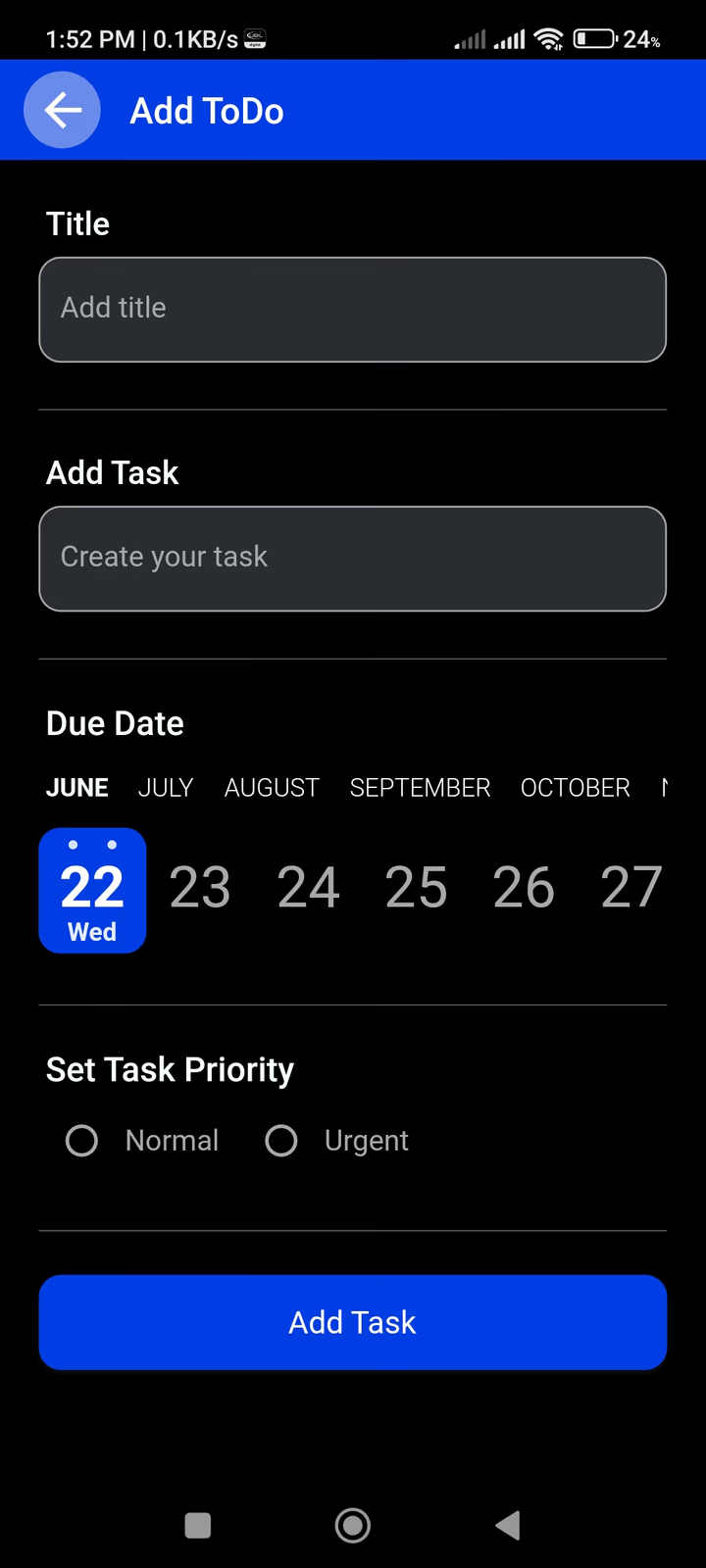
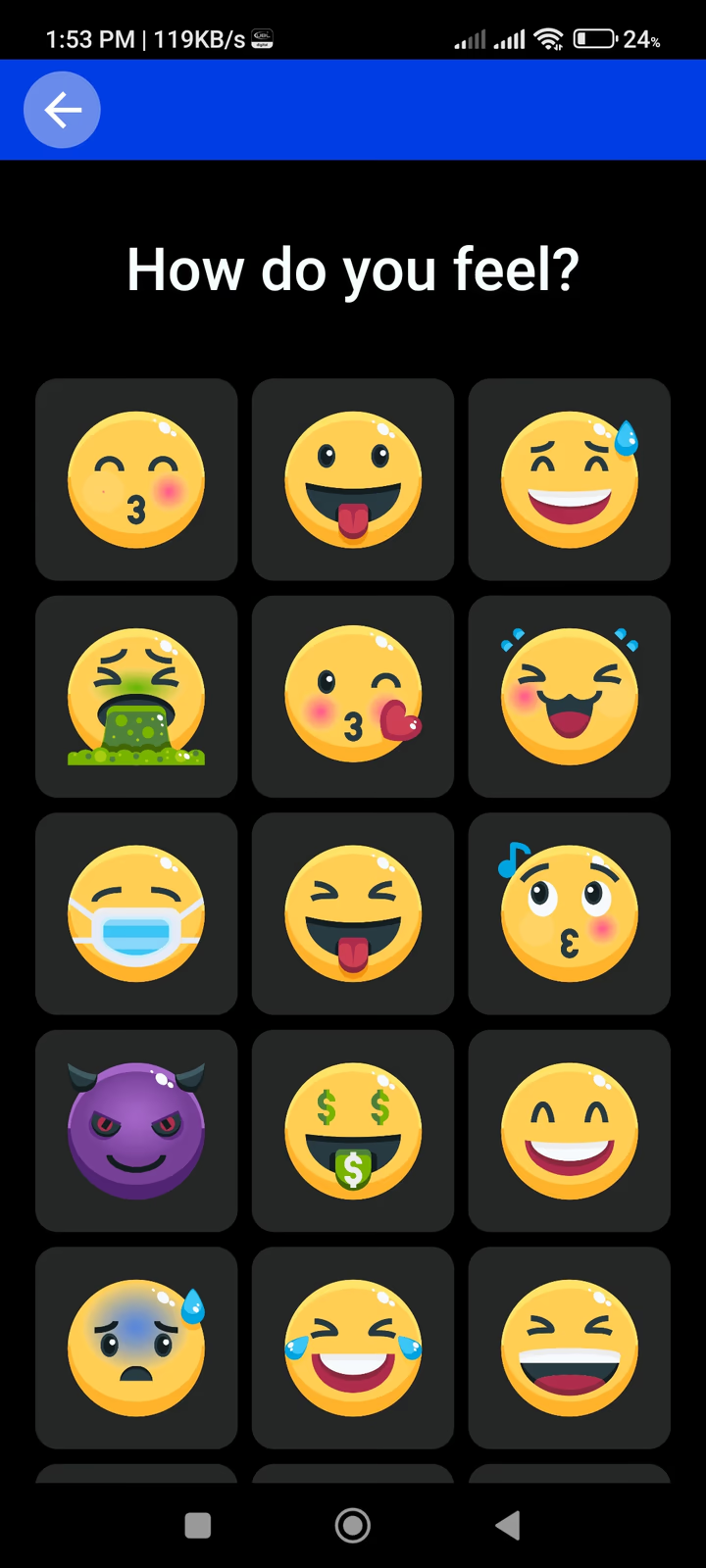
iCare is wide on purpose — 13 modules: meditation music (just_audio), a breathe exercise with multiple guided voices and looping nature sounds, a four-state mood tracker (angry / sad / happy / calm), a diary, gratitude and self-awareness corners, a hobby timer, voice memos (flutter_sound), a priority to-do, reminders, and a small community. The risk with that much surface area is bloat, so each feature is its own GetX binding, wired up only when you open it — the home screen stays light, and the app doesn’t pay for tools you’re not using.
Recording the everyday
Activity and mood log to Firestore per user and per day, and get_storage caches everything locally so the journaling that matters most still works with no signal. Local notifications handle the gentle nudges — a reminder to breathe, to check in — without nagging. None of it leaves the device unencrypted-by-accident; it syncs under the user’s own authenticated account.
Where it stands
I built and delivered iCare to the client, who took it to launch under her own branding. It’s the project that taught me privacy is an architecture decision, not a copy decision — you make the safe thing the easy thing, at the front door, or you haven’t really made it at all.